Beyond 4K: Is 8K, Micro-LED, or VR the Next Big Leap in Cinematic Viewing?
Over the past two decades, home entertainment has moved through a remarkable transformation-from Full HD televisions to ultra-detailed 4K projection systems and now toward deeply immersive cinematic environments that rival premium commercial theatres.
What once felt extraordinary in a cinema is now increasingly expected inside luxury homes: larger screens, richer contrast, object-based surround sound, and seamless integration between architecture and technology.
Today, the conversation in Home Cinema Technology is no longer limited to better pixels. The focus has shifted toward how viewers experience depth, realism, immersion, and scale.
The next frontier includes:
-
8K home cinema
-
Micro-LED display technology
-
VR cinematic experience
For homeowners building premium media rooms in Delhi NCR, understanding which technology truly matters-and which is practical today is essential before investing in a luxury home theatre system.
At SoundTrails, bespoke sound and video environments are designed not around trends, but around how people actually live, watch, and listen.
The Evolution of Cinematic Viewing
The first major leap in home entertainment came with HD displays.
Then 4K changed expectations dramatically by delivering:
-
sharper image detail
-
improved contrast
-
larger practical screen sizes
-
cinematic streaming compatibility
But visual resolution alone did not define better cinema.
True cinematic realism also came from:
-
improved black levels
-
HDR performance
-
wider color reproduction
-
immersive surround sound
This is why modern premium home cinema setup design always combines video with acoustic precision.
A truly immersive room requires:
-
display engineering
-
room acoustics
-
speaker alignment
-
lighting control
Today’s buyers increasingly want homes that replicate cinema-not simply larger televisions.
What Is 8K and Why It Matters
Understanding 8K Resolution
8K home cinema refers to displays with approximately four times the pixel count of 4K.
That means:
-
far greater image density
-
finer edge precision
-
improved texture rendering
-
smoother viewing on very large screens
On very large premium displays, this becomes visually significant.
Where 8K Makes the Biggest Difference
The benefits of 8K become most visible when:
-
screen size exceeds 85 inches
-
seating distance is relatively close
-
source content is high quality
In luxury homes with dedicated cinema rooms, larger screen formats allow 8K to show genuine advantages.
Is 8K Necessary Today?
Currently, native 8K content remains limited.
However, premium processors now upscale 4K extremely well, making high-end 8K displays valuable for future readiness.
For many luxury home theatre systems, 8K is best viewed as long-term investment rather than immediate necessity.
Micro-LED: The Future of Ultra-Premium Displays
Among display technologies, Micro-LED display technology is receiving exceptional attention because it solves many limitations of traditional display systems.
What Makes Micro-LED Different?
Unlike conventional LED panels, Micro-LED uses self-emissive microscopic pixels.
This delivers:
-
extraordinary brightness
-
near-perfect contrast
-
excellent black performance
-
long-term panel stability
Why Luxury Home Cinema Designers Prefer It
Micro-LED allows:
-
seamless giant screen construction
-
modular sizing
-
exceptional daylight performance
This makes it ideal for premium living spaces where projection may not always be practical.
Advantages Over Projection in Some Rooms
Projection remains highly cinematic, but Micro-LED offers:
-
better ambient light handling
-
sharper HDR performance
-
higher brightness consistency
For open luxury spaces, this can be transformative.
Current Limitation
Cost remains extremely high.
Today, Micro-LED belongs mostly in ultra-premium bespoke installations.
VR and Immersive Cinematic Experiences
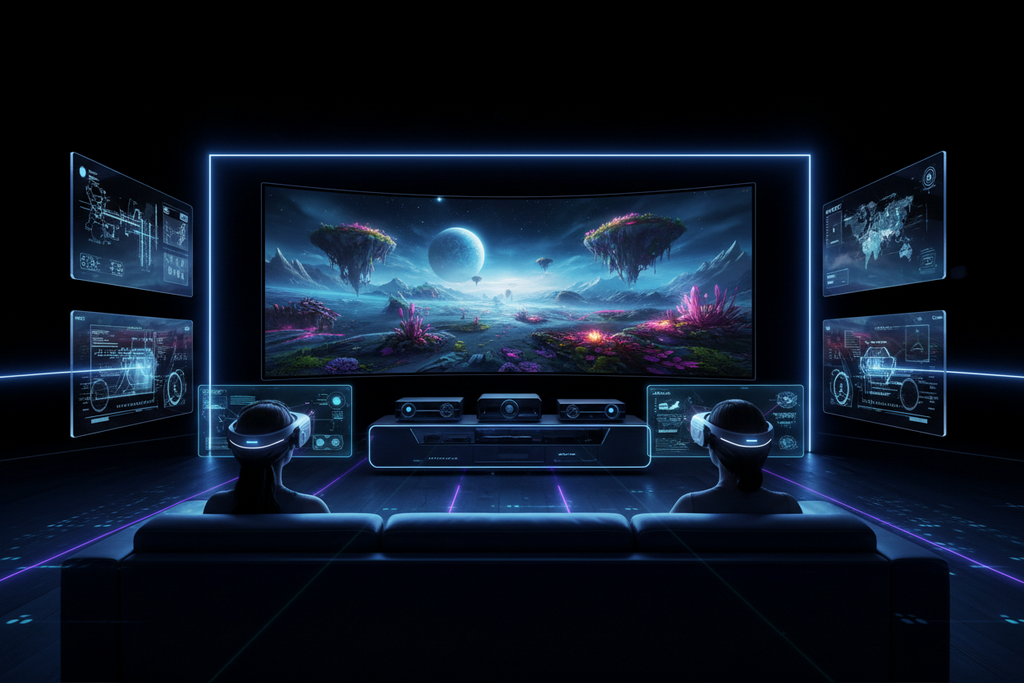
Virtual reality introduces an entirely different concept of cinematic immersion.
What VR Changes
A VR cinematic experience places the viewer inside content rather than in front of it.
This allows:
-
360-degree environments
-
interactive storytelling
-
spatial perspective control
Why It Feels Revolutionary
Instead of watching a scene, the viewer occupies it.
This creates a unique form of engagement impossible with traditional screens.
Why VR Is Not Yet Replacing Home Cinema
Despite innovation, VR still has limitations:
-
headset fatigue
-
individual viewing only
-
reduced social experience
-
content limitations
Cinema remains fundamentally communal.
For family viewing, dedicated immersive home cinema experience design remains far more practical.
Which Technology Is Best for the Ultimate Home Cinema?
Each technology serves a different purpose.
8K Displays
Best for:
-
future-ready premium systems
-
large ultra-high-end displays
-
advanced video enthusiasts
Micro-LED Screens
Best for:
-
ultra-luxury homes
-
bright spaces
-
seamless display architecture
VR Environments
Best for:
-
experimental personal entertainment
-
gaming-focused immersive experiences
Most Practical Choice Today
For most premium homes, carefully designed 4K projection or high-end display systems still offer the strongest performance-to-value ratio.
Because image quality depends not only on resolution, but also on:
-
contrast
-
calibration
-
screen selection
-
room lighting
Designing the Perfect Bespoke Home Cinema
Technology alone does not create great cinema.
A premium room requires integrated design.
Acoustic Planning
Room reflections directly affect clarity.
Proper acoustic treatment improves:
-
dialogue intelligibility
-
bass control
-
immersive realism
Projection vs Display Selection
This depends on:
-
room brightness
-
screen size goals
-
seating layout
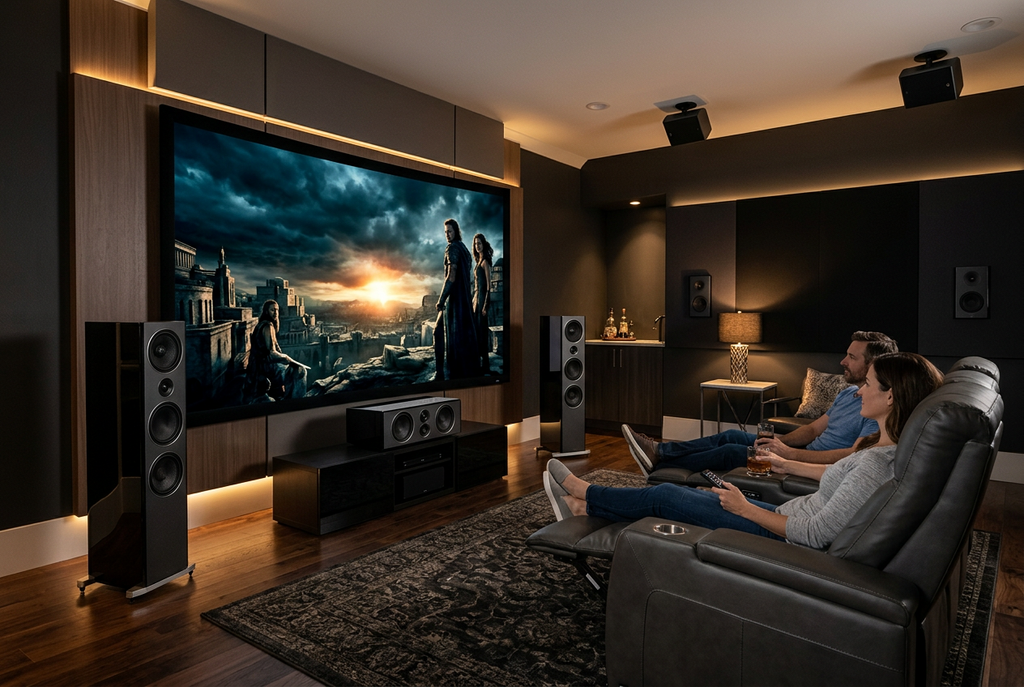
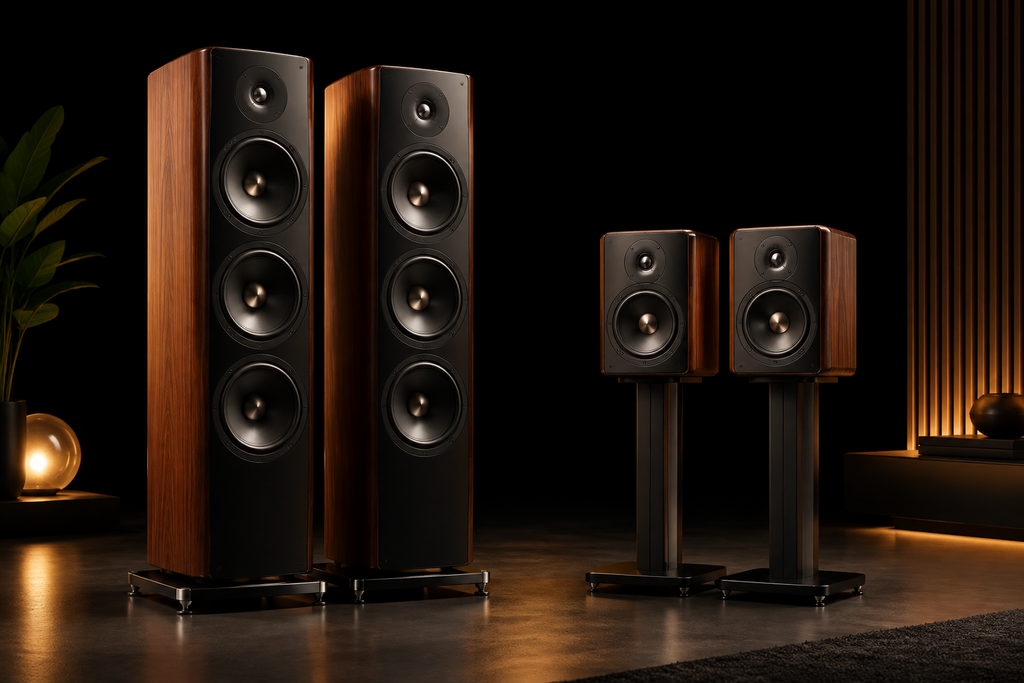
Speaker Placement
Precise speaker positioning is essential for immersive formats.
Immersive Audio Formats
Modern cinema systems increasingly rely on layered sound placement for realism.
Personalized AV Design
Every room behaves differently.
That is why bespoke home cinema solutions always outperform generic installations.
Experience Bespoke Sound & Video Solutions at SoundTrails
SoundTrails helps homeowners across:
-
Delhi
-
Gurugram
-
Noida
-
Faridabad
build systems that combine:
-
premium display technologies
-
luxury audio systems
-
custom acoustic planning
-
precision installation
The process includes:
-
expert consultation
-
room assessment
-
brand matching
-
immersive demonstration
This makes a major difference compared to simply buying components independently.
Conclusion
The future of Home Cinema Technology will likely involve multiple parallel paths rather than one single winner.
8K offers extraordinary detail.
Micro-LED offers architectural luxury.
VR offers immersive experimentation.
But in practical luxury home cinema design, the strongest results still come from combining advanced display technology with properly engineered sound, acoustics, and room integration.
That is where bespoke design becomes more important than chasing specifications alone.
Experience the Future of Home Cinema with SoundTrails
Discover bespoke sound and video solutions designed for immersive entertainment.
Visit our Experience Center or book a personalized consultation.
📍 SoundTrails Experience Center
A92, Lower Ground Floor
Off Golf Course Ext Rd
Sushant Lok III Extension, Sector 57
Gurugram, Haryana 122003
📞 Call / WhatsApp: +91 95600 30646