The Difference Between Loud Sound and Good Sound
In today’s world of streaming, home theaters, and premium music systems, many people assume that louder always means better. But anyone who has experienced a truly refined Hi-Fi setup knows the truth: loud sound and good sound are not the same thing. Understanding this difference is key to building a system that delivers immersive, fatigue-free listening.
At SoundTrails, the focus isn’t just on volume it’s on clarity, balance, and realism, helping listeners experience audio the way it was meant to be heard.
Loud Sound vs Good Sound: What’s the Real Difference?
Loud sound is simply about amplitude how much air your speakers move and how high the volume goes. Good sound, however, is about quality how accurately and cleanly that sound is reproduced.
You can have a system that plays extremely loud but still sounds harsh, muddy, or distorted. On the other hand, a well-designed Hi-Fi system can sound rich and detailed even at moderate volumes.
The difference comes down to three critical factors: clarity, distortion, and listening comfort.
1. Clarity vs Volume
The most noticeable difference between loud and good sound is clarity.
A loud system may overwhelm you with sound pressure, but it often lacks detail. Instruments blend together, vocals get buried, and subtle nuances disappear. In contrast, a high-quality system separates each element of the music, allowing you to hear:
-
Individual instruments clearly
-
Vocal textures and breath details
-
Spatial positioning in the soundstage
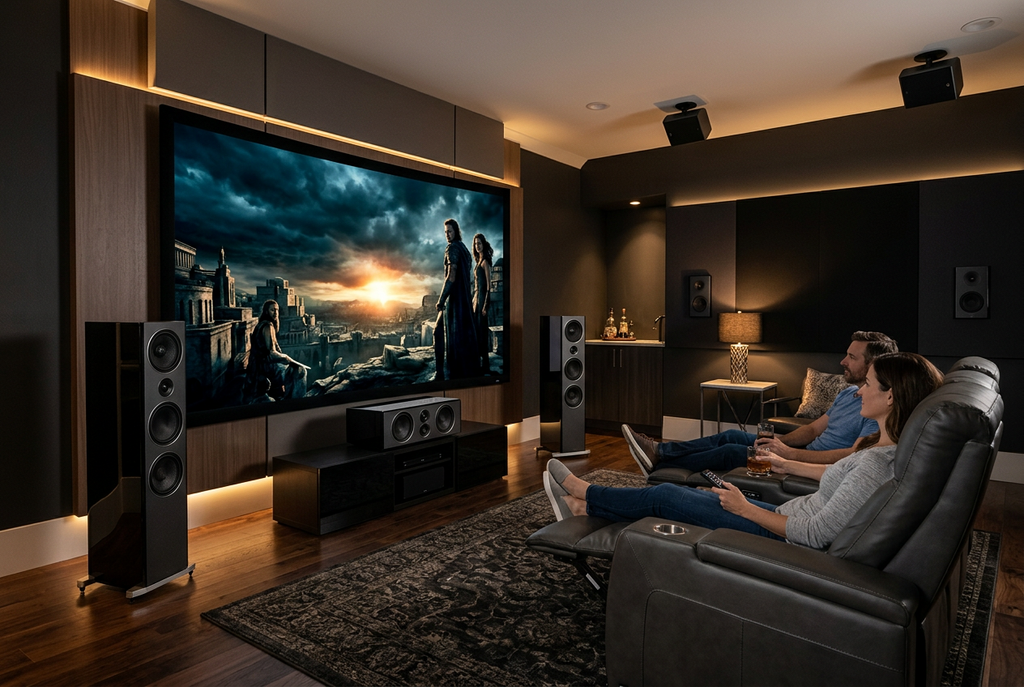
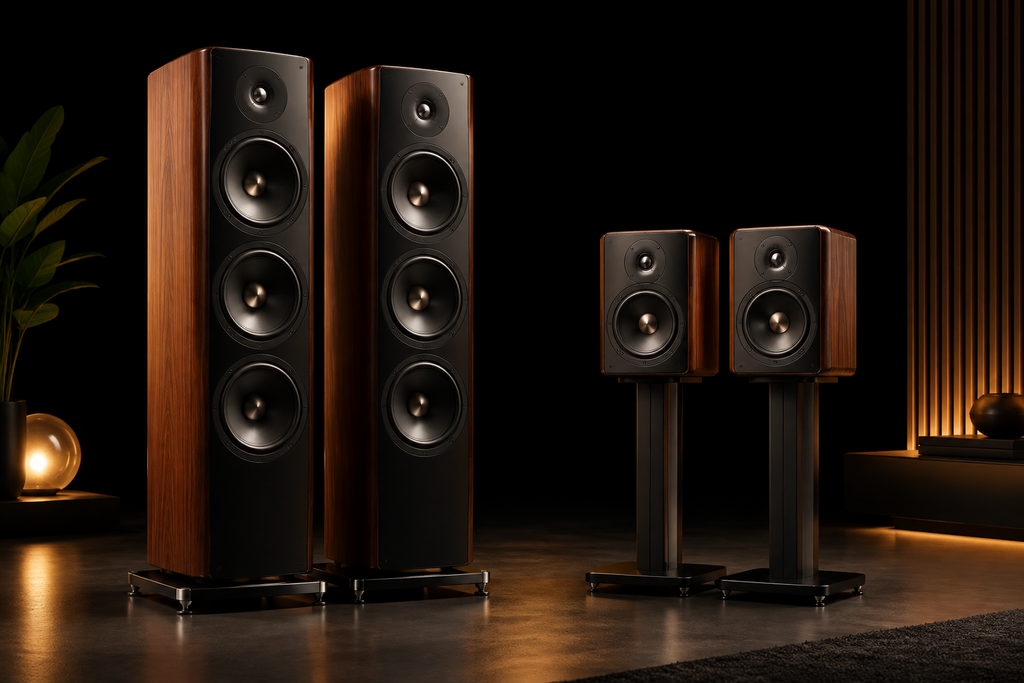
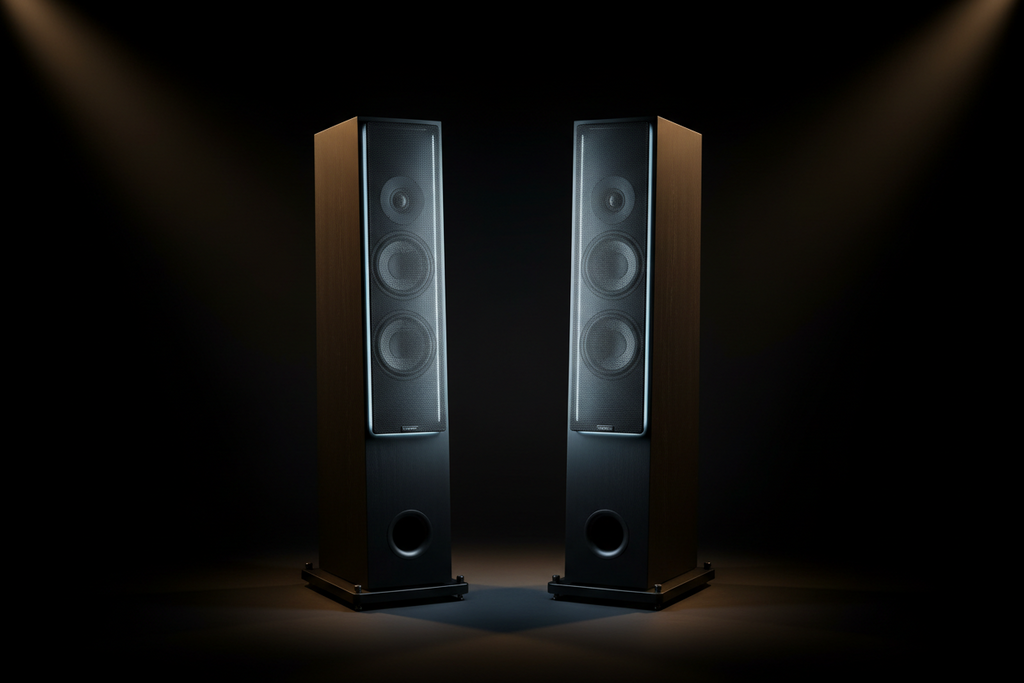
For example, premium floor-standing speakers-like those found in SoundTrails’ curated collection-are engineered to reproduce a wide frequency range with precision. Instead of just “loud bass,” you get tight, controlled low frequencies and crisp highs.
Similarly, modern AV receivers play a major role in clarity. A well-designed AV receiver doesn’t just amplify sound-it processes audio signals with precision, ensuring accurate channel separation and tonal balance. You can explore advanced options here:
👉 https://soundtrails.in/collections/av-receivers-1
2. Distortion: The Hidden Enemy of Loud Sound
One of the biggest problems with loud audio systems is distortion.
When you push low-quality equipment to higher volumes, the signal begins to break down. This results in:
-
Harsh treble
-
Boomy, uncontrolled bass
-
Crackling or clipping sounds
Distortion is not just unpleasant-it also masks detail and reduces overall sound quality.
High-end systems, on the other hand, are designed to maintain low distortion even at higher volumes. This is achieved through:
-
Better driver materials in speakers
-
Advanced amplification in AV receivers
-
Superior signal processing
For instance, pairing a quality AV receiver with premium floor-standing speakers ensures that even at higher volumes, the sound remains clean, balanced, and true to the source.
Explore high-performance speakers here:
👉 https://soundtrails.in/collections/floor-standing-speakers
3. Listening Fatigue: Why Loud Isn’t Sustainable
Have you ever felt tired or irritated after listening to loud music for a while? That’s called listening fatigue, and it’s a clear sign of poor sound quality.
Loud, distorted sound forces your ears and brain to work harder to process audio. Over time, this leads to:
-
Ear discomfort
-
Reduced enjoyment
-
Mental fatigue
Good sound, by contrast, feels effortless. You can listen for hours without strain because:
-
Frequencies are balanced
-
There’s no harshness or distortion
-
The sound feels natural and immersive
This is where analog sources like turntables shine. Vinyl playback, when paired with a quality system, offers a warm and smooth sound signature that reduces fatigue and enhances long listening sessions.
Discover premium turntables here:
👉 https://soundtrails.in/collections/records-players
The Role of System Synergy
Another crucial aspect of good sound is system synergy-how well your components work together.
A great listening experience isn’t just about one product; it’s about the combination of:
-
AV receiver (signal processing and amplification)
-
Speakers (sound reproduction)
-
Source (streaming, vinyl, or digital media)
At SoundTrails, systems are designed holistically, ensuring every component complements the others. This results in a cohesive sound that is far superior to simply turning up the volume on mismatched equipment.
vWhy Good Sound Matters More Than Ever
In modern homes-especially luxury interiors-audio is no longer just functional; it’s experiential. Whether you’re watching films, streaming music, or enjoying vinyl records, sound quality defines the experience.
Good sound delivers:
-
Emotional connection to music
-
Cinematic realism in movies
-
Long-term listening comfort
Loud sound might impress for a moment, but good sound creates lasting impact.
Final Thoughts
The difference between loud sound and good sound is not subtle it’s transformative. While loudness is easy to achieve, true audio quality requires precision, engineering, and thoughtful system design.
Instead of asking, “How loud can it go?” the better question is:
“How real does it sound?”
If you are looking to upgrade your listening experience, investing in a well-balanced Hi-Fi system with the right AV receiver, speakers, and source - will always outperform simply turning up the volume.
And that’s where SoundTrails stands apart bringing together technology, design, and acoustic expertise to deliver sound that isn’t just heard, but truly experienced.