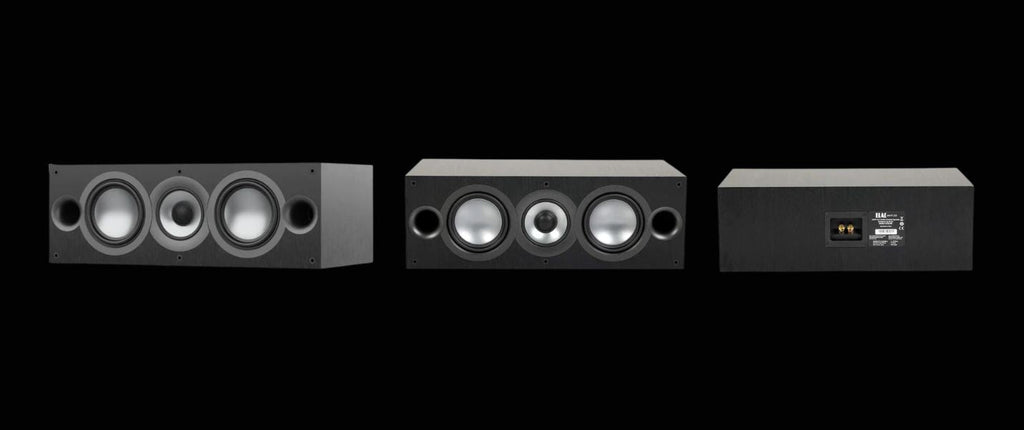
The Science Behind Concentric Drivers in Speakers: Why Driver Design Matters in High-Fidelity Listening
When people first begin exploring premium loudspeakers, attention often goes to visible details-cabinet finish, size, driver count, or brand reputation. But one of the most important engineering decisions inside a speaker often remains unnoticed: how the drivers are arranged and how sound leaves the cabinet.
Among the most respected design approaches in high-end loudspeaker engineering is the concept of Concentric Drivers in Speakers.
This technology is especially valued because it aims to solve one of audio reproduction’s oldest challenges:
How do you make sound from multiple drivers behave as though it comes from a single point?
For audiophiles, that question matters because human hearing is highly sensitive to timing, direction, and spatial consistency.
When speaker drivers integrate properly, music feels natural.
When they do not, imaging becomes fragmented.
At SoundTrails, many listeners exploring HiFi Speakers in Delhi NCR discover that driver architecture often explains why certain speakers immediately sound more coherent than others.
What Are Concentric Drivers in Speakers?
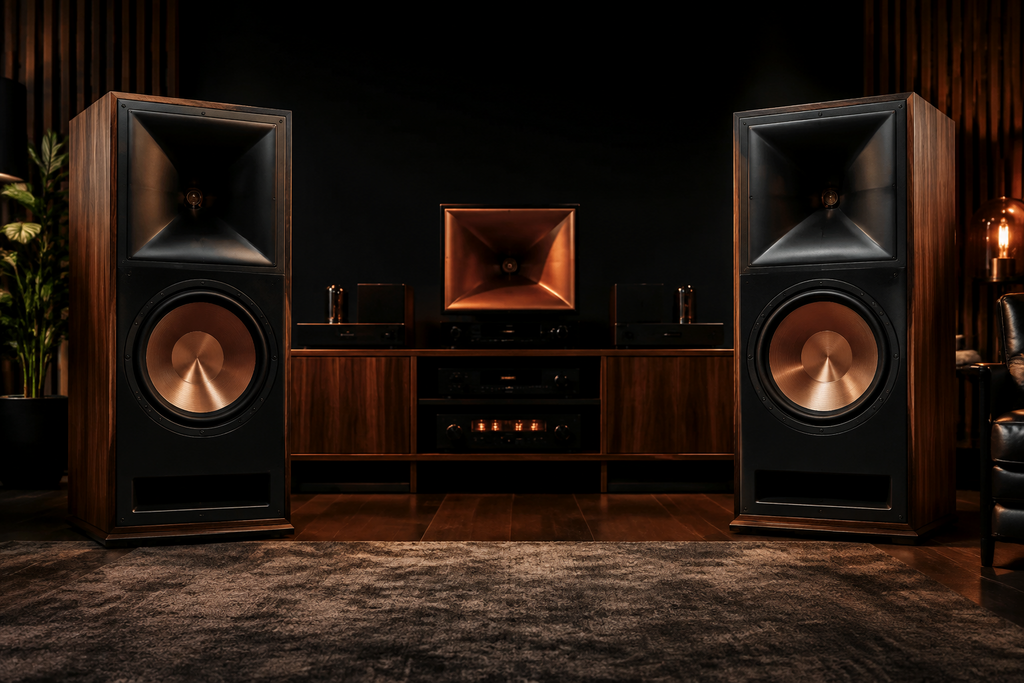
A concentric driver design places one driver inside another-typically the tweeter positioned centrally within the midrange or bass driver.
Instead of sound emerging from separate physical locations, both frequency ranges radiate from nearly the same acoustic point.
This creates what speaker designers call:
point-source behavior
That means the speaker behaves more like a single sound source.
In practical listening terms, this improves:
-
imaging precision
-
tonal integration
-
phase coherence
-
listening consistency across seating positions
This is one reason concentric designs are highly respected in serious stereo listening.
Why Traditional Multi-Driver Speakers Face Timing Challenges
In conventional speaker designs:
-
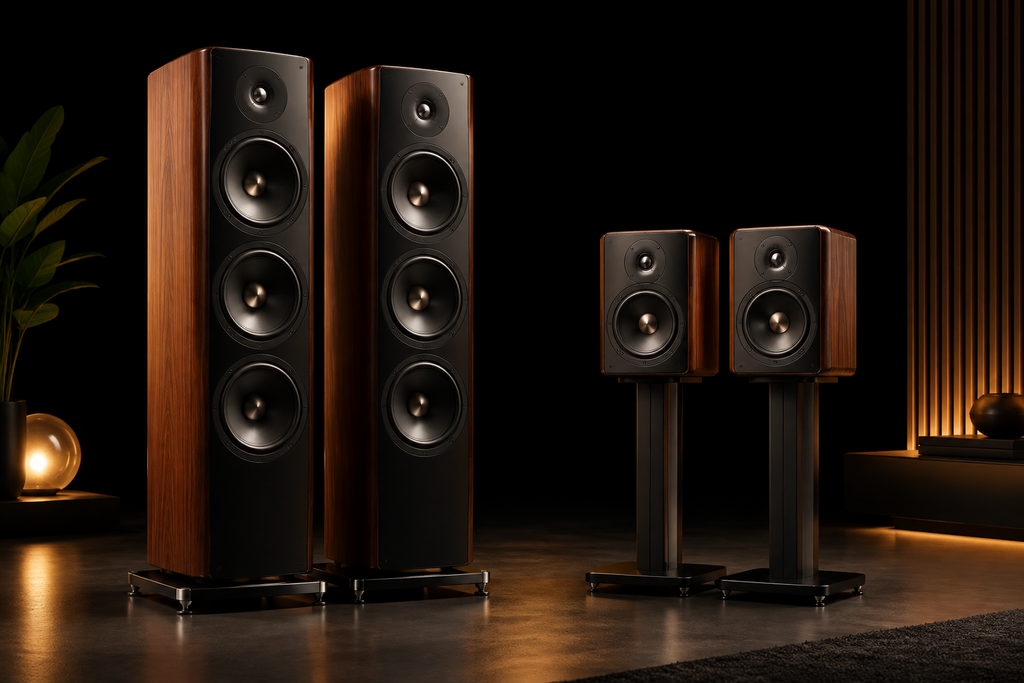
tweeter sits separately above the mid-bass driver
-
sound leaves from physically different positions
Although this works very well when engineered carefully, it introduces timing differences.
For example:
high frequencies may arrive slightly differently compared to midrange information.
This can affect:
-
vocal focus
-
center imaging
-
soundstage continuity
The human ear is highly sensitive to these tiny arrival differences.
That is why driver alignment becomes so important.
How Concentric Drivers Improve Imaging
Imaging is the ability of a speaker to place instruments and voices clearly in space.
A well-designed concentric system often creates:
-
stronger center vocals
-
sharper instrument placement
-
more stable stereo image
Because frequencies originate from nearly one point, the brain interprets sound more naturally.
This becomes especially obvious during:
-
vocal recordings
-
jazz ensembles
-
acoustic music
-
live recordings
Listeners often describe the result as “the speakers disappearing.”
That means you hear the performance rather than the speaker itself.
Why Concentric Drivers Help in Real Rooms
One major advantage of Concentric Drivers in Speakers is how they behave outside the exact center listening position.
In many homes, listeners do not remain perfectly fixed.
Concentric designs often provide:
-
more consistent tonal balance across wider seating angles
-
smoother dispersion
-
reduced off-axis variation
This matters especially in living rooms where multiple listeners share the space.
Fyne Audio: A Modern Specialist in Concentric Driver Engineering
Fyne Audio is widely recognized for its advanced concentric driver expertise.
Its signature technology places the tweeter within the center of the bass-mid driver, creating highly coherent sound radiation.
Why audiophiles appreciate Fyne Audio:
-
exceptional imaging precision
-
highly controlled dispersion
-
energetic yet natural presentation
This makes Fyne Audio especially attractive for listeners seeking both technical precision and musical excitement.
Sonus Faber: Italian Musicality Through Driver Integration
Sonus Faber does not focus exclusively on concentric architecture, but its driver integration philosophy also emphasizes coherence and natural tonal blending.
Why Sonus Faber remains admired:
-
luxurious cabinet craftsmanship
-
rich midrange presentation
-
highly natural vocal reproduction
Many listeners choose Sonus Faber because it prioritizes emotional listening over exaggerated technical presentation.
DALI: Wide Dispersion Philosophy
DALI approaches speaker design through wide dispersion engineering.
Its philosophy aims to reduce narrow listening sweet spots.
Benefits include:
-
open room-filling presentation
-
easy placement flexibility
-
natural tonal spread
This is especially valuable in modern living spaces.
HECO: Controlled Energy and Strong Dynamics
HECO is respected for combining strong driver control with dynamic output.
Its speakers often appeal to listeners who want:
-
fuller body
-
strong bass authority
-
energetic listening character
ELAC: Precision and Detail
ELAC has long been admired for technical refinement.
ELAC speakers often deliver:
-
excellent transient detail
-
highly articulate upper frequencies
-
clean stereo imaging
This makes them highly popular among listeners seeking analytical precision without harshness.
Magnat: Powerful Presentation with Broad Appeal
Magnat often appeals to users who want strong scale and room-filling energy.
Its speaker designs often emphasize:
-
impactful dynamics
-
broad listening engagement
-
strong versatility
And many more premium brands today apply advanced driver engineering depending on listening goals.
Why Driver Technology Should Matter Before Buying Speakers
Many buyers choose speakers based only on brand or appearance.
But driver architecture influences:
-
coherence
-
tonal behavior
-
room interaction
-
listening fatigue
Two speakers with similar specifications may sound entirely different because of driver design philosophy.
That is why live listening remains essential.
Why Auditioning Matters for HiFi Speakers in Delhi NCR
For anyone exploring HiFi Speakers in Delhi NCR, hearing driver differences in a controlled environment is extremely valuable.
At SoundTrails, listeners can compare different speaker designs and understand how:
-
concentric systems differ from traditional layouts
-
cabinet design changes sound character
-
amplification influences presentation
This helps buyers choose speakers based on actual listening preference rather than specifications alone.
Conclusion
The science behind Concentric Drivers in Speakers explains why some speakers create unusually natural imaging and coherence.
By aligning frequency sources more precisely, concentric designs help sound behave more like real acoustic performance.
But driver design is only one part of a larger listening equation.
The best speaker is always the one whose engineering matches your room, system, and listening taste.