How Do Turntables Convert Vinyl Grooves into Sound?
Music has a unique way of connecting people, and vinyl records offer a listening experience that feels different from digital music. From the gentle movement of the record to the warm sound coming through the speakers, every part of vinyl playback involves a fascinating combination of mechanical and electrical technology. But have you ever wondered how a turntable transforms tiny grooves on a vinyl record into the music you hear?
A turntable does much more than spin a record. It uses a carefully designed system of components to read physical patterns, convert vibrations into electrical signals, and reproduce them as sound. Understanding this process can help music enthusiasts appreciate the engineering behind vinyl playback and make better decisions when choosing audio equipment.
At SoundTrails, we believe that understanding audio technology makes listening to music even more enjoyable. Let's explore how turntables work, what happens during vinyl playback, and why this traditional format continues to attract music lovers.
1. Understanding the Basics of a Turntable
A turntable is an audio device designed to play vinyl records. It rotates a record at a controlled speed while a stylus follows the microscopic grooves pressed into its surface.
Unlike digital music systems that retrieve stored audio data, a turntable reads physical information directly from the record. The movements created by the stylus are converted into electrical signals that eventually reach an amplifier and speakers.
A typical turntable system includes several important components:
-
Platter: The rotating surface that supports the vinyl record.
-
Motor: Provides the power needed to rotate the platter at a consistent speed.
-
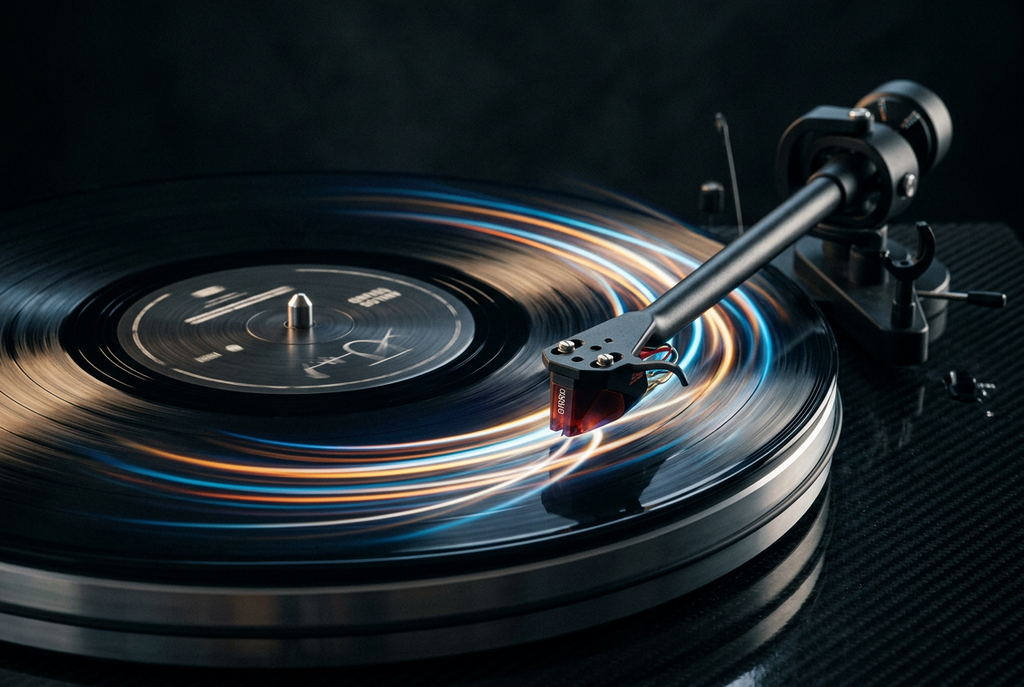
Tonearm: Holds the cartridge and allows the stylus to follow the record grooves.
-
Stylus: A tiny needle, usually made with a diamond tip, that traces the grooves.
-
Cartridge: Converts the stylus movement into electrical signals.
-
Plinth: The main base that supports the turntable and helps control unwanted vibrations.
Each component plays an important role in maintaining accurate playback and sound quality.
2. How Do Vinyl Record Grooves Store Music?
The secret behind vinyl playback lies in the grooves engraved into the record's surface.
During vinyl manufacturing, sound information is converted into physical variations that are cut into a continuous spiral groove. These variations represent the original audio waveform.
When a record spins, the stylus moves through these grooves. Tiny changes in the groove walls cause the stylus to vibrate in response to the recorded information.
In stereo vinyl records, the groove walls carry information for the left and right audio channels. This allows the record to reproduce a stereo sound experience.
The grooves are incredibly small, which is why the stylus and cartridge must be manufactured with precision. Even minor problems with record condition or stylus alignment can affect playback quality.
3. How Does a Turntable Convert Grooves into Sound?
The conversion of vinyl grooves into audible music involves several connected stages.
Step 1: The Motor Rotates the Record
The process begins when the turntable motor rotates the platter. Most standard vinyl records are played at 33⅓ or 45 revolutions per minute (RPM).
Maintaining the correct rotational speed is essential. If the platter rotates too slowly or too quickly, the music may sound lower or higher in pitch than intended.
Step 2: The Stylus Follows the Grooves
As the record rotates, the stylus moves along its spiral groove. The physical variations inside the groove cause the stylus to vibrate.
These movements contain the musical information recorded during the manufacturing process.
Step 3: The Cartridge Converts Vibrations into Electrical Signals
The stylus is connected to a cartridge, which transforms its mechanical movement into an electrical audio signal.
Two common cartridge technologies are:
-
Moving Magnet (MM): Uses a small magnet attached to the cantilever. Its movement within fixed coils generates an electrical signal.
-
Moving Coil (MC): Uses tiny coils attached to the cantilever that move within a magnetic field to generate an electrical signal.
Both technologies are widely used in vinyl playback systems, although they differ in design, output level, and compatibility.
Step 4: The Phono Preamp Processes the Signal
The electrical signal generated by a turntable cartridge is relatively weak. It needs amplification and equalisation before it can be sent to a standard audio amplifier.
This is where a phono preamplifier becomes important.
It performs two main functions:
-
Boosts the low-level signal produced by the cartridge.
-
Applies RIAA equalisation to restore the intended tonal balance of the original recording.
Some turntables include a built-in phono preamp, while others require an external unit.
Step 5: The Amplifier and Speakers Produce Music
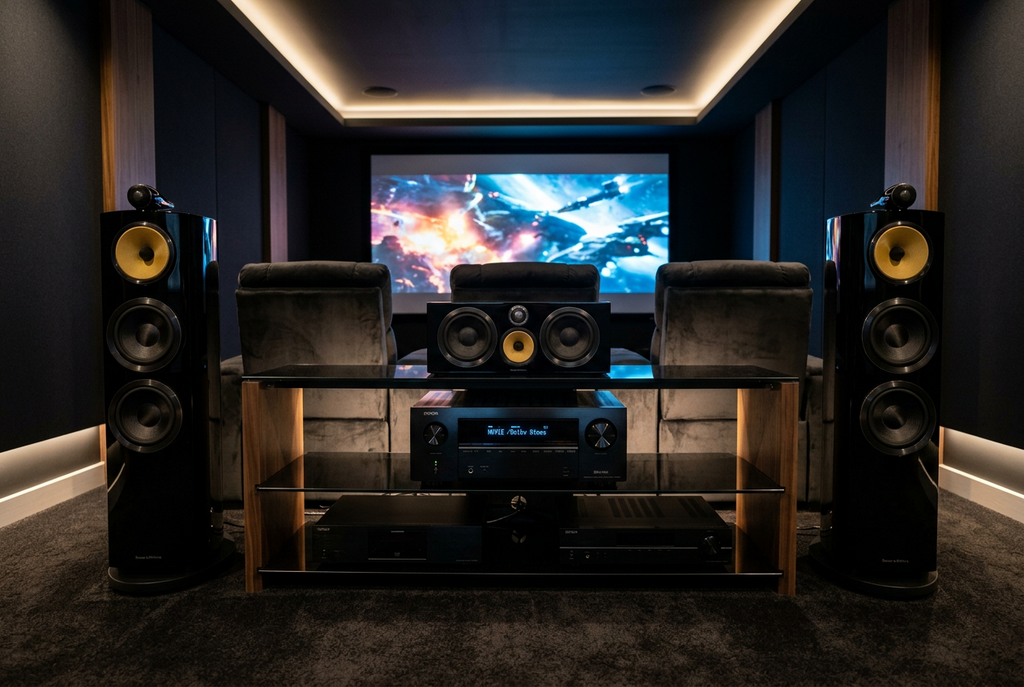
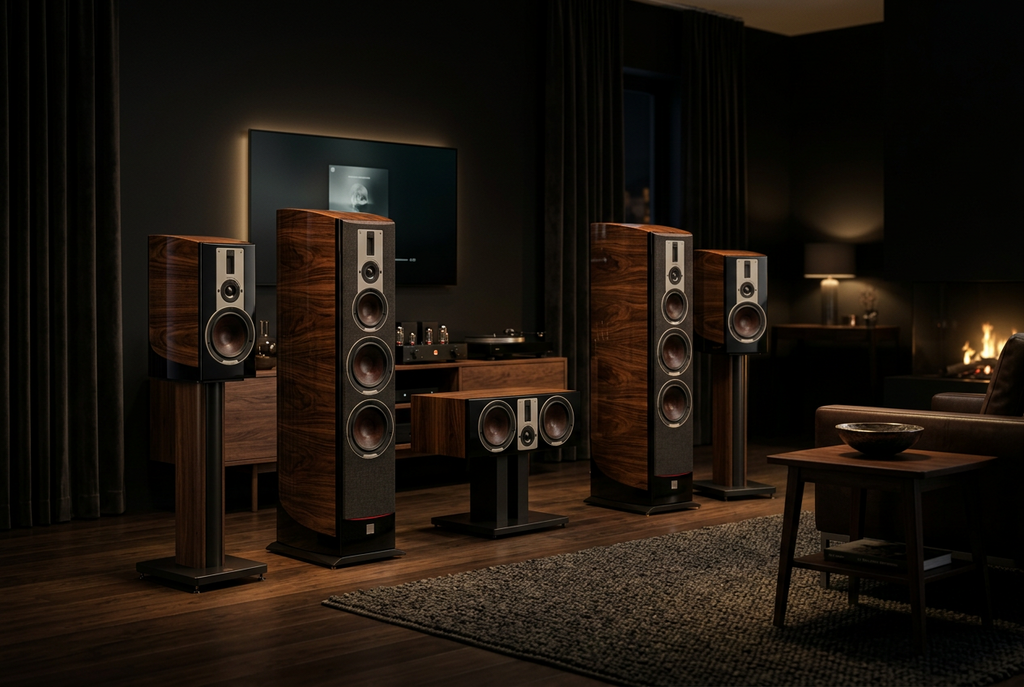
Once the signal has been processed, it travels to the amplifier. The amplifier increases the signal's power so that connected speakers can reproduce it.
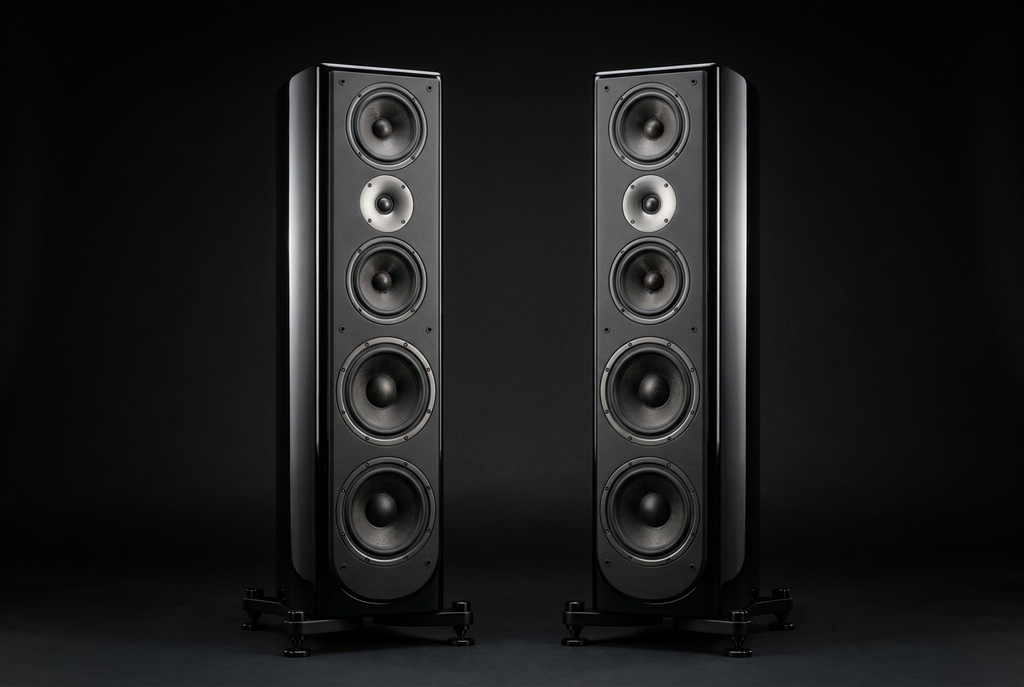
Inside the speakers, electrical signals drive components that move back and forth, creating air pressure variations.
These vibrations travel through the air and reach your ears as music.
This completes the journey from a tiny physical groove to an audible musical experience.
4. Why Is the Phono Preamplifier Important?
A phono preamplifier is an essential part of many vinyl playback systems. Without it, the audio signal produced by the cartridge may be too weak for a regular amplifier to process correctly.
Another important function is RIAA equalisation. During vinyl production, specific frequency adjustments are made to help manage groove dimensions and recording quality. The phono preamp applies the corresponding playback curve to restore the intended frequency balance.
When selecting a turntable, it is worth checking whether it has a built-in phono preamp or requires an external one. The right setup depends on your amplifier, cartridge, and overall audio system.
5. What Factors Affect Turntable Sound Quality?
Although turntables use a relatively simple playback principle, several factors influence the final listening experience.
1. Stylus Quality
The stylus makes direct contact with the record grooves. A well-designed stylus can accurately track groove details and help reduce distortion. Keeping it clean and replacing it when worn is essential.
2. Cartridge Performance
The cartridge determines how effectively mechanical vibrations are converted into electrical signals. Its design, tracking ability, and compatibility with the tonearm can influence sound reproduction.
3. Turntable Speed Stability
Consistent platter rotation helps maintain accurate pitch and timing. Speed fluctuations can cause unwanted variations in the music.
4. Tonearm Alignment
Correct tonearm alignment allows the stylus to follow the grooves properly. Incorrect alignment may increase record wear and affect sound quality.
5. Vibration Control
External vibrations from speakers, furniture, or nearby equipment can interfere with stylus movement. A stable surface and suitable isolation help maintain cleaner playback.
6. Vinyl Record Condition
Scratches, dust, fingerprints, and worn grooves can introduce unwanted noise. Proper record cleaning and storage help preserve playback quality.
6. Why Do Music Lovers Still Prefer Vinyl Records?
Despite the convenience of streaming services and digital audio, vinyl records continue to attract dedicated listeners.
Here are some reasons behind their popularity:
-
A physical music collection: Vinyl records offer something tangible that digital playlists cannot replicate.
-
Album artwork: Large-format covers provide an enjoyable visual experience.
-
Intentional listening: Playing a record encourages listeners to spend time with an album rather than constantly skipping tracks.
-
Analog playback: Vinyl reproduces sound through a continuous physical process rather than digital file playback.
-
Collectible value: Limited editions, original pressings, and special releases appeal to collectors.
It is important to remember that vinyl is not automatically better than digital audio. Sound quality depends on the recording, mastering, pressing, playback equipment, and listening environment.
7. How to Choose the Right Turntable for Your Listening Setup
Choosing a turntable involves more than selecting an attractive design. You should consider how the equipment will fit into your existing audio system.
Keep these factors in mind before making a purchase:
-
Drive system: Belt-drive models use a belt to rotate the platter, while direct-drive models connect the motor more directly to the platter.
-
Cartridge compatibility: Check whether the cartridge suits your listening preferences and audio equipment.
-
Speed options: Make sure the turntable supports the speeds required by your record collection.
-
Built-in phono preamp: This feature can simplify installation, especially for beginners.
-
Manual or automatic operation: Automatic models offer convenience, while manual models provide greater control over playback.
-
Build quality: A stable plinth, balanced tonearm, and well-designed platter contribute to reliable performance.
If you are exploring turntables in Delhi, understanding these features can help you compare different models and select equipment that suits your requirements.
Similarly, people looking for turntables in Gurgaon can benefit from comparing cartridge types, connectivity options, speed stability, and overall construction before choosing a system.
8. How to Maintain Your Turntable for Better Performance
Regular maintenance helps protect both your turntable and vinyl collection.
Follow these simple practices:
-
Clean vinyl records with a suitable record-cleaning brush before playback.
-
Keep the stylus free from dust and debris.
-
Place the turntable on a stable, level surface.
-
Avoid touching the stylus tip directly.
-
Store records vertically in protective sleeves.
-
Check stylus condition and replace it according to the manufacturer's recommendations.
-
Follow the manufacturer's instructions for belt replacement and other maintenance.
Taking care of your equipment can improve playback consistency and help extend the life of your records.
Frequently Asked Questions About Turntables
1. How does a turntable produce sound from a vinyl record?
A turntable uses a stylus to follow the microscopic grooves on a spinning vinyl record. The stylus vibrates according to the groove variations, and the cartridge converts these movements into electrical signals. After amplification and processing, speakers transform the signals into audible music.
2. Do turntables need an amplifier?
Most traditional turntables require an amplifier and speakers to produce audible sound. Some modern models have built-in amplification or connect to powered speakers, reducing the need for separate components.
3. What is the difference between a turntable and a record player?
A turntable is generally the component that spins a vinyl record and reads its grooves. A record player often refers to an all-in-one device that may include a turntable, amplifier, and speakers.
4. What speed do vinyl records play at?
The most common playback speeds are 33⅓ RPM and 45 RPM. Some older records use 78 RPM. Always check the record label and turntable compatibility before playing a record.
5. What does a cartridge do in a turntable?
The cartridge converts the mechanical vibrations produced by the stylus into electrical audio signals. These signals are then processed and amplified before reaching the speakers.
6. Is a built-in phono preamp necessary?
A phono preamp is necessary unless your turntable or connected amplifier already provides the required phono-stage processing. It boosts the cartridge signal and applies RIAA equalisation.
Conclusion
A turntable transforms vinyl grooves into music through a remarkable combination of mechanical precision and electrical engineering. From the motor rotating the platter to the stylus tracking the grooves, the cartridge generating electrical signals, and the speakers reproducing sound, every component contributes to the final listening experience.
Understanding how this process works makes it easier to appreciate the technology behind vinyl playback and choose equipment that matches your audio preferences.
At SoundTrails, exploring audio technology is part of discovering what makes listening to music special. Whether you are starting your first vinyl collection or upgrading your existing setup, understanding turntable technology is a great first step towards enjoying analog music.