Floor Standing Speakers: Features, Benefits and Buying Tips
Choosing the right speakers can completely transform your home entertainment experience. Whether you enjoy watching movies, listening to your favourite music, or playing video games, good-quality speakers make every sound more detailed, powerful, and immersive. Among the different types of audio equipment available, floor standing speakers are a popular choice for people who want rich sound, strong bass, and an impressive listening experience.
At Soundtrails, we understand that selecting the right audio equipment involves more than just comparing prices or specifications. You need speakers that match your room size, listening preferences, and entertainment setup.
If you are exploring Floor Standing Speakers in Gurgaon, understanding their features, benefits, and buying considerations can help you make a more informed decision.
What Are Floor Standing Speakers?
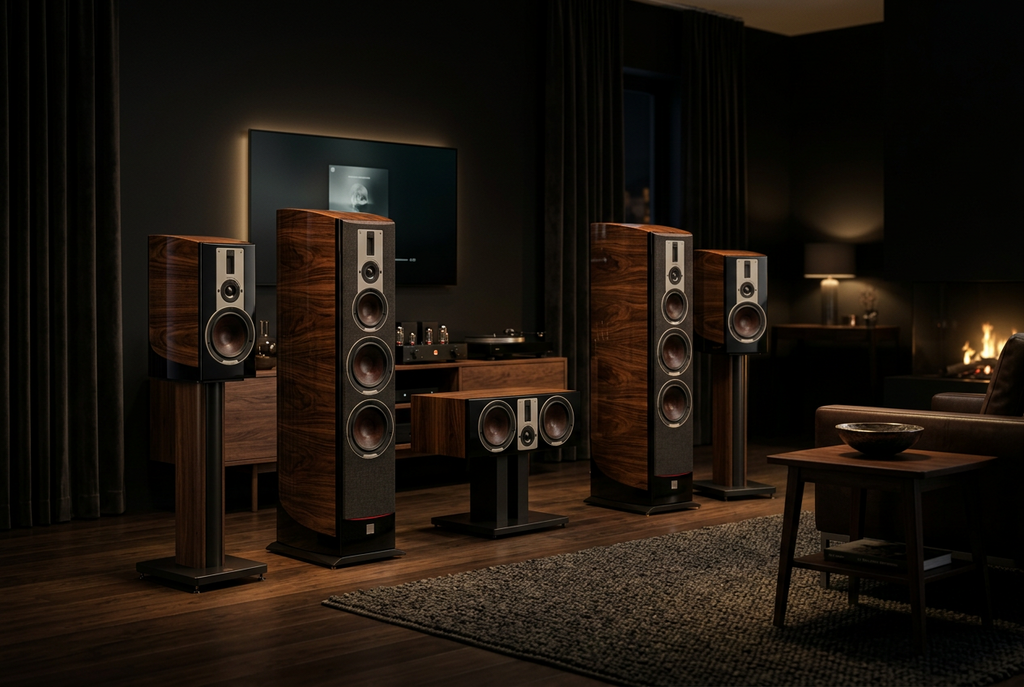
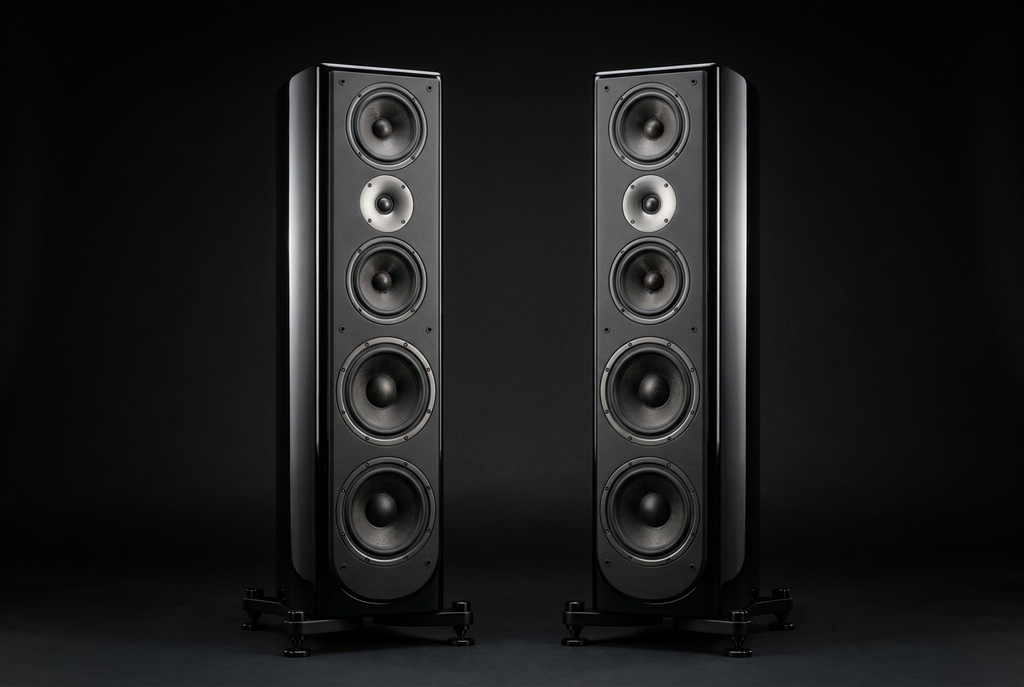
Floor standing speakers, also known as tower speakers, are tall, freestanding audio speakers designed to deliver a full-range sound experience. Unlike bookshelf speakers, which generally require stands, shelves, or furniture, floor standing speakers are designed to sit directly on the floor.
They usually contain multiple speaker drivers, including woofers, midrange drivers, and tweeters. Each driver handles a particular range of sound frequencies, helping produce balanced audio with clear vocals, detailed highs, and deeper bass.
Floor standing speakers are commonly used in home theatre systems, dedicated music rooms, and high-quality stereo setups.
Key Features of Floor Standing Speakers
Before choosing a speaker system, it is important to understand the features that influence sound quality and overall performance.
1. Multiple Speaker Drivers
Most floor standing speakers feature multiple drivers that work together to reproduce different sound frequencies.
-
Woofers: Handle low-frequency sounds and produce bass.
-
Midrange drivers: Reproduce vocals, instruments, and other middle-frequency sounds.
-
Tweeters: Deliver high-frequency details, such as cymbals and delicate musical notes.
This combination helps create a detailed and balanced listening experience.
2. Powerful Bass Performance
One of the biggest attractions of floor standing speakers is their ability to deliver strong bass. Their larger cabinets and dedicated low-frequency drivers allow them to reproduce deeper sounds than many compact speakers.
This makes them suitable for action movies, electronic music, orchestral recordings, and gaming.
3. Wide Soundstage
A good pair of floor standing speakers can create a spacious soundstage, making music and movie audio feel more natural. You may notice better separation between instruments and a more realistic presentation of sound.
4. High Sound Output
Many tower speakers are designed to deliver higher sound output while maintaining clarity. This makes them a suitable option for medium-sized and larger listening spaces, provided their power and specifications are matched to the room.
5. Stylish Design
Floor standing speakers are available in different finishes, shapes, and cabinet designs. Their appearance can complement modern interiors while serving as an important part of your home audio setup.
Benefits of Choosing Floor Standing Speakers
Floor standing speakers offer several advantages for people who want to improve their home audio experience.
1. Immersive Home Theatre Experience
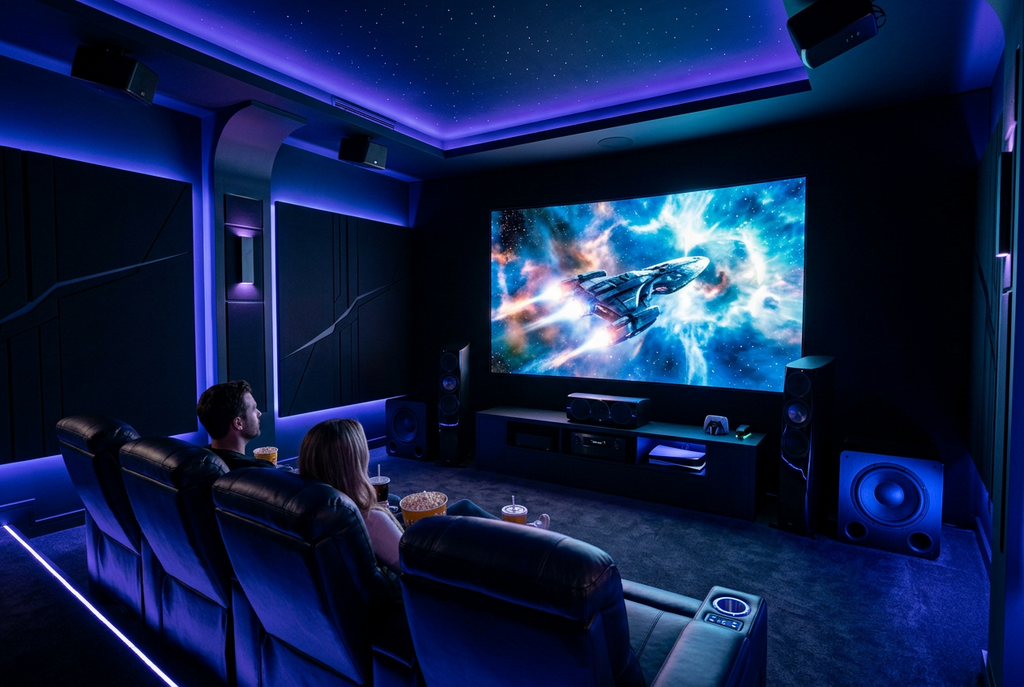
If you enjoy watching movies at home, floor standing speakers can make entertainment more engaging. They reproduce dialogues, background music, and sound effects with greater depth and detail.
When combined with a compatible AV receiver, centre speaker, and subwoofer, they can become an important part of a dedicated home theatre system.
2. Better Music Listening Experience
Music lovers often prefer floor standing speakers because they can deliver a wide frequency response and detailed sound reproduction. From soft instrumental music to energetic rock tracks, quality tower speakers can bring out details that may be less noticeable with smaller speakers.
3. Stronger Bass Without Depending Entirely on a Subwoofer
Many floor standing speakers have built-in woofers that produce satisfying low-frequency sounds. Depending on the speaker model and your listening preferences, you may not need a separate subwoofer for everyday music listening.
However, a subwoofer can still improve the low-frequency performance of a home theatre setup.
4. Suitable for Different Entertainment Needs
Floor standing speakers are versatile and can be used for:
-
Watching movies and television shows
-
Listening to music across different genres
-
Playing video games with detailed sound effects
-
Enjoying live concert recordings
-
Creating a dedicated stereo listening room
5. Long-Term Audio Investment
Quality floor standing speakers can remain useful for many years when properly maintained. Some models also allow users to upgrade other components of their audio system without replacing the speakers.
How to Choose the Best Floor Standing Speakers
Buying speakers requires careful consideration. A visually attractive design does not always guarantee excellent sound quality. Here are some important factors to evaluate before making a purchase.
1. Consider Your Room Size
Room dimensions play an important role in speaker performance.
-
Small rooms: Consider compact tower speakers that do not overpower the space.
-
Medium-sized rooms: Look for speakers offering balanced sound and suitable bass response.
-
Large rooms: Consider models with higher output capabilities and suitable driver configurations.
Remember that room acoustics, furniture placement, and wall reflections can also influence sound quality.
2. Check the Frequency Response
Frequency response indicates the range of frequencies a speaker can reproduce. A wider frequency range may help reproduce deeper bass and clearer high-frequency details.
However, frequency response figures alone do not determine sound quality. Pay attention to how the speakers actually sound during a listening demonstration.
3. Understand Speaker Sensitivity
Speaker sensitivity indicates how efficiently a speaker converts amplifier power into sound output.
Speakers with higher sensitivity generally require less amplifier power to achieve a particular volume level. This specification is especially useful when matching speakers with an amplifier or AV receiver.
4. Check Impedance Compatibility
Impedance is measured in ohms and indicates the electrical load presented by a speaker to an amplifier.
Always check whether the speaker's impedance is compatible with your amplifier or receiver. Proper compatibility helps ensure stable operation and reduces the risk of equipment damage.
5. Choose the Right Cabinet Design
The speaker cabinet affects resonance, vibration, and overall acoustic performance.
Look for well-built cabinets with solid construction and quality finishing. Also, consider the available space, speaker dimensions, and design of your room.
6. Listen Before Buying
Specifications are useful, but personal listening preferences matter just as much.
If possible, test different speaker models using familiar music tracks. Listen for vocal clarity, bass control, instrument separation, and overall tonal balance.
At Soundtrails, comparing different audio configurations can help you understand which speakers suit your entertainment requirements.
Tips for Setting Up Floor Standing Speakers
Even high-quality speakers may not perform at their best if they are positioned incorrectly. Proper placement can improve sound clarity, imaging, and bass response.
Consider these practical setup tips:
-
Maintain Proper Distance: Avoid placing speakers too close to walls unless the manufacturer recommends it. Wall placement can influence bass performance.
-
Create a Balanced Listening Position: Position the left and right speakers at equal distances from your main listening position.
-
Adjust Speaker Angles: Slightly angling speakers towards the listening area can improve stereo imaging, depending on the model and room acoustics.
-
Avoid Obstructions: Keep furniture and other objects away from the speaker drivers to allow sound to travel freely.
-
Use Suitable Amplification: Match your speakers with an amplifier or AV receiver that meets their power and impedance requirements.
-
Consider Room Acoustics: Rugs, curtains, carpets, and suitable acoustic treatments can help control unwanted reflections and improve listening comfort.
Floor Standing Speakers vs. Bookshelf Speakers
Not sure whether to choose floor standing speakers or bookshelf speakers? Both have their own advantages.
| Feature | Floor Standing Speakers | Bookshelf Speakers |
|---|---|---|
| Size | Tall and large | Compact |
| Placement | Directly on the floor | Shelves or stands |
| Bass output | Often deeper and stronger | Generally more limited |
| Room suitability | Medium to large rooms, depending on the model | Small to medium rooms |
| Space requirement | Requires more floor space | Requires shelf or stand space |
| Usage | Music and home theatre | Music and compact audio setups |
The right choice depends on your room size, listening habits, available space, and budget.
Common Mistakes to Avoid When Buying Floor Standing Speakers
Before investing in a new speaker system, avoid these common mistakes:
-
Choosing speakers based only on their appearance.
-
Ignoring amplifier and impedance compatibility.
-
Buying oversized speakers for a small room.
-
Overlooking speaker placement and room acoustics.
-
Comparing products only by wattage.
-
Ignoring warranty, build quality, and after-sales support.
-
Not testing speakers with different types of music.
Taking time to compare specifications and listening performance can help you make a better purchase.
Why Explore Floor Standing Speakers at Soundtrails?
Finding the right audio equipment becomes easier when you understand your requirements and have access to suitable options.
Soundtrails focuses on helping audio enthusiasts explore sound solutions that match their entertainment preferences. Whether you are building a dedicated music system or upgrading your home theatre, choosing compatible equipment is essential.
If you are searching for Floor Standing Speakers in Delhi, consider factors such as sound quality, room compatibility, design, and amplifier requirements before making your final decision.
The goal is to create an audio setup that delivers an enjoyable listening experience for years to come.
Frequently Asked Questions (FAQs)
1. Are floor standing speakers better than bookshelf speakers?
Floor standing speakers generally offer larger cabinets, more driver options, and stronger bass potential. However, bookshelf speakers can be an excellent choice for smaller rooms. The better option depends on your space and audio requirements.
2. Do floor standing speakers need a subwoofer?
Not necessarily. Many floor standing speakers produce sufficient bass for regular music listening. However, adding a subwoofer can improve deep bass performance, particularly for movies and home theatre systems.
3. Are floor standing speakers suitable for home theatres?
Yes. They are commonly used as front left and right speakers in home theatre systems. When paired with compatible surround speakers and an AV receiver, they can deliver an immersive entertainment experience.
4. How far should floor standing speakers be placed from the wall?
The ideal distance depends on the speaker design and manufacturer's recommendations. Start by keeping some space between the speakers and walls, then adjust their position according to bass response and sound clarity.
5. How long do floor standing speakers last?
Well-maintained floor standing speakers can last for many years. Their lifespan depends on build quality, usage, environmental conditions, and maintenance.
6. Can floor standing speakers be connected to a television?
Yes, but the connection depends on the speaker system. Passive speakers require a compatible amplifier or AV receiver, while active speakers may support direct connections through compatible audio inputs.
Final Thoughts
Floor standing speakers are an excellent option for anyone looking to enjoy detailed music, powerful bass, and engaging home entertainment. Their larger cabinets, multiple drivers, and versatile applications make them a valuable addition to many audio setups.
However, choosing the right model requires more than looking at specifications. Room size, amplifier compatibility, speaker placement, and personal listening preferences all play an important role.
At Soundtrails, exploring the right audio equipment can help you build a system that matches your expectations. Take time to compare available options, understand their features, and choose speakers that bring your favourite entertainment to life.